


BEYOND THE LABEL:
30 HARVESTS LATER
October 23, 2026
30 harvests have a way of putting things into perspective.
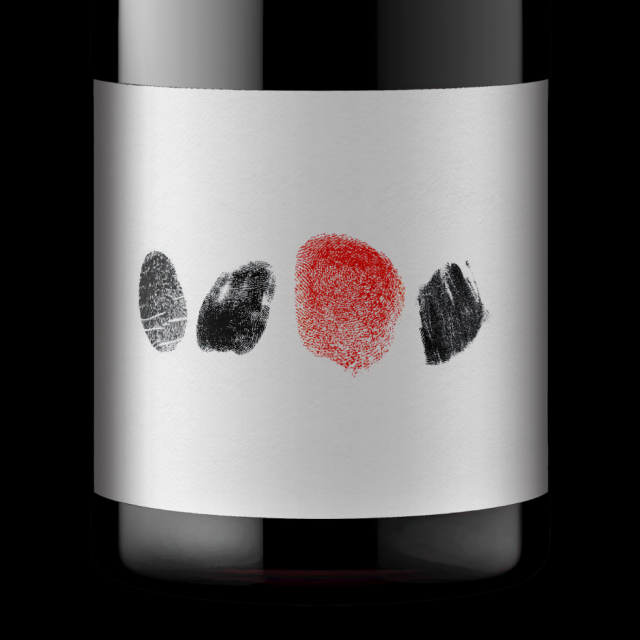
From his first crush in 1997 to creating wines that helped define a generation, Dave Phinney’s journey has been shaped by equal parts curiosity, challenge, and persistence. To celebrate this milestone, we asked Dave to reflect on the harvests he remembers most, the lessons that still guide him, and the story behind 30 Years, a wine that pays tribute to the growers, vineyards, and relationships that have stood the test of time.
Q: What does your 30th harvest mean to you and after 30 years, what still excites you about winemaking?
Dave: It’s not a surprise that it’s been 30 years, but it’s just amazing how fast it seems to have gone. I can still remember my first harvest like it was yesterday.
What still excites me is the process – the whole lifecycle from pruning to bottling and everything in between. Every year is different. There are good surprises and bad surprises, and it’s always a puzzle. There’s always something to solve in blending or in the vineyard.
Maybe that’s one of the things 30 years has taught me. I look back on the things I used to freak out about and realize they don’t raise my blood pressure the way they once did. After so many years, I figured out that there are some things I can fix and some things I can’t. The sun will still come up tomorrow.
Q: Which harvest was most memorable to you and what stood out about that year?
Dave: Well, the obvious answer is my first harvest in 1997. It was so impactful for me that it’s seared into my brain. Everything was new and exciting and scary all at once.
The second most memorable harvest was in 2000, for very different reasons. First, the harvest in 2000 was arguably one of the worst harvests from a weather standpoint. Second, I knew enough at this point to be dangerous.
What the vineyards didn’t give us in grape quality, we had to fix in winemaking. We went through so much to get to what ended up being an easy decision in the end. And from that, we sort of accidentally made The Prisoner. It was a difficult vintage, but it ultimately put us on the map.
Harvest is more about what you’re learning than what you’re accomplishing. The only way to keep learning is to keep testing things out, keep making wine, and keep learning from other winemakers.
Q: How has your definition of great wine changed over the last 3 decades?
Dave: I don’t think my definition of great wine has really changed. In fact, I don’t think there is such a thing as a great wine. I’m completely dissatisfied with every wine I’ve ever made.
To me, great wine is impossible. That’s both the torture and the fun of winemaking. At some point, you have to know when to put the pencil down. That doesn’t mean it’s great. It just means you’ve done your best in that situation.
There are some wines I like more than others, but great wine is undefinable. What is great to me, somebody else may hate. That’s part of what makes wine so great in general.
It is the wine business, not the wine hobby. For me, the greatest wines are the ones you can make consistently year after year. When we’ve established a style, our job is to adhere to that style and then try to improve it every year. It’s great when we’re consistent with what people expect but make it better.
Q: What responsibility does a winemaker have to honor the people who farm the fruit, make the wine, and ultimately share it?
Dave: A tremendous amount. Any great chef will tell you, “I’m only as good as my ingredients,” and that’s exactly how I feel about grapes.
I learned that the hard way in 1998. We picked the wrong part of a great vineyard, and it taught me a valuable lesson. There is no witchcraft and no alchemy in winemaking.
If those men and women aren’t out there doing what they do, we’re like a ship without a sail. You can do everything right in the winery, but if the vineyard is just okay, the wine is going to be just okay. It’s nearly impossible to turn mediocre grapes into great wine.
That’s why the responsibility starts with respecting the people who grow the fruit. Their work makes everything else possible.
Q: How did you decide on the style of ’30 Years’ and what about this blend and sourcing made sense to drink in this milestone?
Dave: I wanted to make something to honor some of the growers and sites we’ve been working with from the beginning.
The fruit comes entirely from Tofanelli Vineyard, owned by the first person who ever sold me grapes. 30 harvests later, we’re still working together.
The blend isn’t one you see every day, either. Zinfandel and Charbono are my beginnings. Zinfandel brings energy and generosity, while Charbono adds character and another layer of complexity. Together, they make a wine that’s approachable today but has the structure to age if it happens to get lost in your cellar for a few years.
Stay in the Loop
For exclusive updates and news,
follow us on Instagram.


